Comparing Organic Crib Mattresses: Safety, Comfort, and Sustainability

A practical, product-neutral guide for caregivers, facility planners, and hospital teams evaluating organic crib mattresses. This article expands on the themes of materials, certifications, design integrity, and long-term durability, weaving in historical perspectives and notable figures who shaped infant sleep safety across eras.

Organic crib mattresses sit at the intersection of parental desire for safety and the clinical demand for hygiene. As a descriptive, evidence-driven resource, this guide walks through what makes an organic crib mattress different from conventional options, the certifications to look for, and how to assess firmness, waterproof layers, seams, and cleaning protocols that matter for infant health. The aim is to empower decision-makers—whether in a home nursery or a hospital-affiliated infant care center—to make choices grounded in transparency, quality, and sustainability.

In this field, material selection matters as much as design. Organic cotton covers with breathable interiors, natural latex or coconut coir cores, and water-based, low-emission finishes are common in high-caliber products. Certification frameworks serve as the compass: organic claims should be verifiable; safety standards should be current; and durability should withstand daily use and frequent cleaning. The larger aim is to minimize chemical exposure, promote restful sleep, and ensure that care environments remain free from moisture-related hazards and mold risks that can accompany poor maintenance.

Selected Mattress Mention

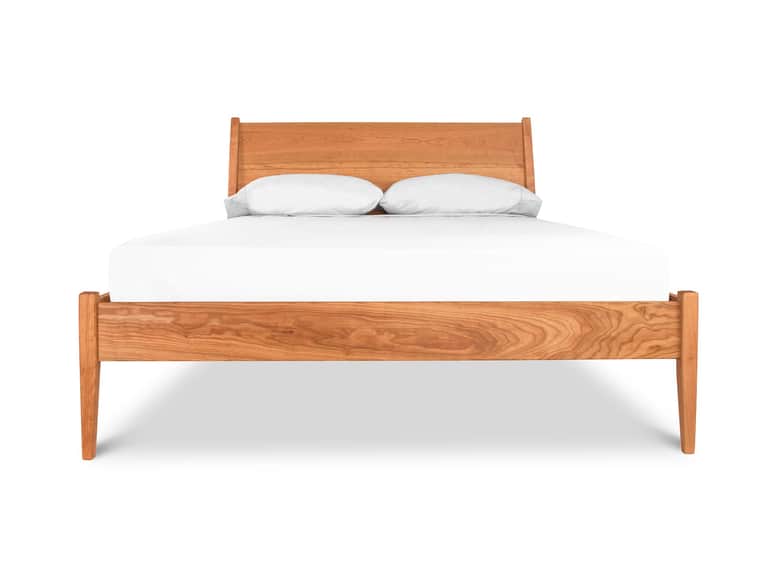
Andover Modern Incline Bed by Vermont Furniture Designs demonstrates how ergonomic thinking translates into hospital-grade environments, though for this article we focus on organic crib mattresses. The selection below illustrates a concrete example from the product list that readers may compare for context in room setups.

Note: Image displays are provided for reference upon selection.

Foundations of Organic Crib Mattresses

Organic crib mattresses prioritize materials and manufacturing processes that minimize exposure to synthetic additives. They typically feature covers made from organic cotton or other natural fibers, an interior core that may include natural latex, coconut coir, or other plant-based foams, and waterproof or water-resistant barriers designed to facilitate cleaning without introducing harmful chemicals. The structural integrity of edges and seams is crucial for safety, ensuring that infants do not encounter gaps or loose components during sleep or care routines.

Certifications to Seek

When assessing organic crib mattresses, certifications act as a reliable proxy for safety and sustainability. Look for:

  • Global Organic Textile Standard (GOTS) for organic fiber processing and dyeing.
  • OEKO-TEX Standard 100 or higher for textile product safety, including baby products.
  • Certifications from reputable pediatric and consumer safety bodies that attest to low emissions and absence of harmful phthalates or heavy metals.
  • Independent testing results and full disclosure of materials used in cores and covers.

Materials, Firmness, and Cleanability

Firmness is not a one-size-fits-all parameter; it should match infant weight and developmental stage. Organic crib mattresses typically offer a firmer surface to reduce the risk of suffocation, yet retain adequate contour to support breathing. Waterproof layering should be resilient and hypoallergenic, with seams sealed to prevent moisture intrusion while remaining washable. Cleanability is a practical measure of long-term hygiene: removable, washable covers with reinforced zippers and moisture barriers that resist mildew buildup are highly desirable.

Durability and Longevity

Durability translates into safety over time. The mattress should hold its shape and firmness under repeated compression while withstanding routine cleaning cycles typical in households and facility environments. Plant-based cores, when properly engineered, offer a compelling balance of support and eco-friendliness, but the manufacturer’s warranty and maintenance guidelines remain essential to understanding expected lifespan.

Practical Buying Framework

Caregivers and facilities benefit from a structured checklist when evaluating brands. Below is a sample framework that families and procurement teams can adapt to their needs:

  • What certifications support the organic claim, and are they current?
  • What materials constitute the cover and core, and do they meet infant-safety standards?
  • Is the waterproof layer durable, safe, and easy to clean?
  • Are there any off-gassing considerations, and can you obtain a material safety data sheet?
  • What is the warranty period, and what maintenance is required to sustain performance?

Care and Maintenance Guidelines

Effective care extends a crib mattress’s life and protects infant health. Regular inspection for wear, prompt cleaning of any spills, and adherence to washing instructions help prevent mold and bacterial growth. A recommended routine includes rotating the mattress (when applicable), using a breathable mattress protector, and ensuring that the crib bedding and accessories are compatible with the mattress core and cover materials.

Case Study: A Pediatric Ward's Transition to Organic Solutions

In a hypothetical scenario drawn from field practice, a pediatric ward evaluated two organic crib mattresses as part of a broader infection-control initiative. The facility sought to minimize chemical exposure and environmental impact while maintaining cleanability and patient comfort. After examining multiple certifications, manufacturer disclosures, and real-world cleaning tests, the ward selected a model with a GOTS-certified organic cotton cover, a coconut-core alternative, and a waterproof barrier with a proven track record of durability. The result was improved staff confidence in patient safety and a measurable reduction in moisture-related concerns, alongside a demonstrable shift toward a more sustainable procurement approach. This narrative echoes the philosophy of hospitalbeds.co: information-driven choices that prioritize safety, clarity, and long-term resilience.
Sample Buying Checklist for Caregivers and Facilities

  • Certification verification: organic claim, safety standards, and current validity
  • Cover materials: organic cotton or other natural fibers; assess breathability and washability
  • Core materials: plant-based or natural foam alternatives; ensure non-toxic formulations
  • Waterproof barrier: durability, reversible coatings, and ease of cleaning
  • Seam integrity: reinforced seams and moisture resistance
  • Cleaning protocol compatibility: machine-washable covers, available detergent guidance
  • Warranty and service: warranty length, replacement parts, and return policies
  • Institutional compatibility: size, weight, and accessibility for care staff

This checklist is designed to be non-promotional and information-focused, aligning with the brand philosophy of hospitalbeds.co as an educational resource for bed types, care, and infrastructure considerations.

This article is part of a broader editorial series on hospital and home sleep surfaces. For further reading, see related guides on bed types, features, and maintenance, as well as facility planning resources that address room layouts, infection control, and procurement considerations.

Related Products

Andover Modern Incline Bed

Vermont Furniture Designs

Andover Modern Incline Bed

Sleep soundly on solid wood with an ergonomic 10% inclined headboard for comfy seating, no box spring needed, and a durable, natural-finish frame that lasts. Maple Corner Woodworks quality for any room.
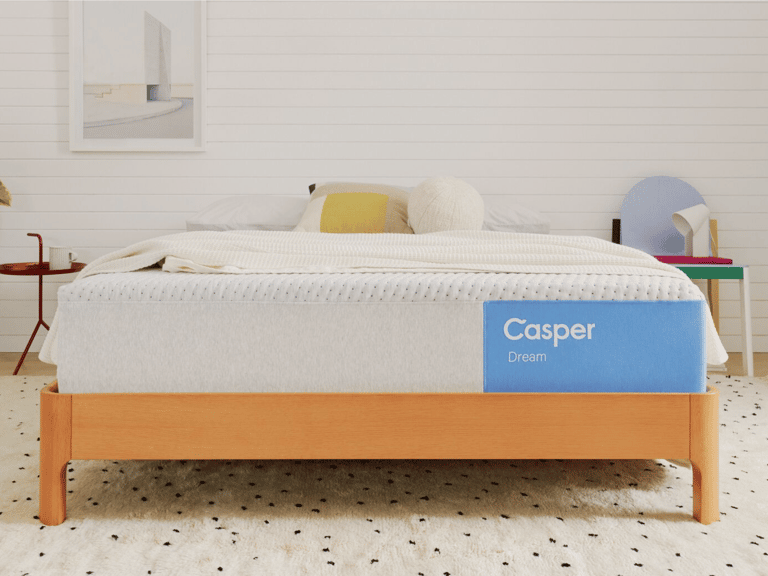
Repose Bed Frame

Casper

Repose Bed Frame

Sustainably sourced wood and solid build give you a sturdy, lasting bed frame with a warm, timeless look. Free in-home delivery and assembly remove the heavy lifting for a precise, hassle-free setup that fits your décor and mattress perfectly.
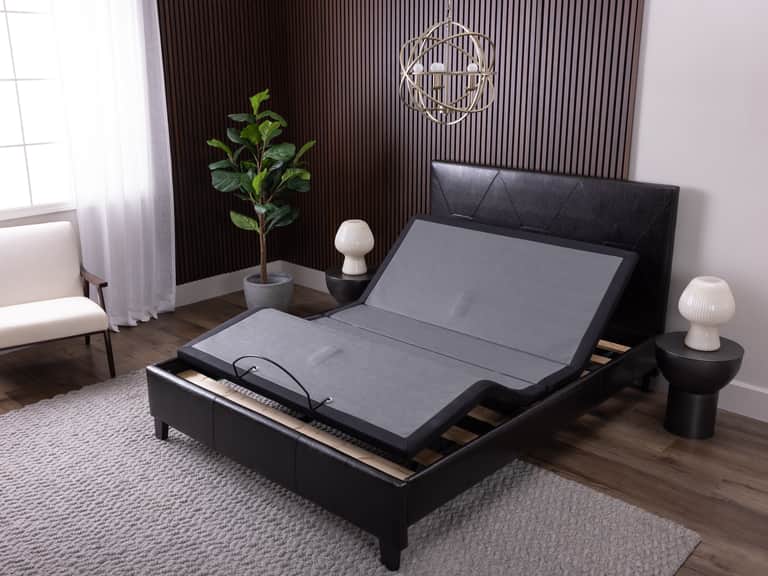
Leggett and Platt S-Cape HF 2.0

Leggett and Platt

Leggett and Platt S-Cape HF 2.0

Elevate your rest with WallHugger design that stays close to your nightstand while you ease into perfected comfort, thanks to head-to-toe adjustability, dual massage, app and Bluetooth control, USB ports, under-bed lighting, and a sturdy 850 lb capacity for peaceful, personalized lounging.

Theme