Pillows in a medical or caregiving context serve to support alignment, comfort, and pressure relief for patients and caregivers alike. This category highlights varied designs such as cervical, support, and backrest pillows, each crafted to stabilize posture during rest, reading, or medical procedures. Understanding material choices and firmness helps determine suitability for different clinical needs and home care routines.
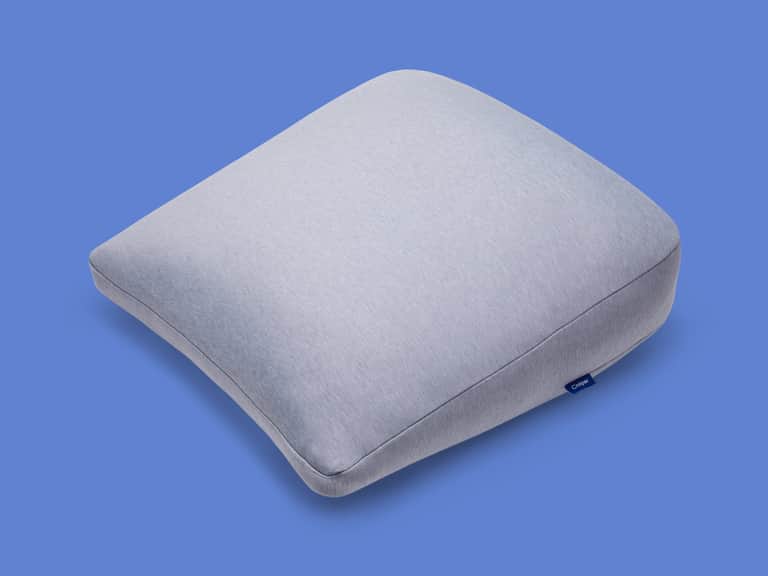
Backrest pillows are designed to elevate the torso and shoulders, promoting respiratory comfort and reducing strain on the lower back. Features may include adjustable angles, contoured shapes, and cushioned support areas that accommodate different body sizes. These attributes enhance seating stability during care activities and diagnostics in patient rooms.
Materials commonly used in hospital-grade pillows emphasize durability, breathability, and hypoallergenic properties. Expect fabrics with moisture-wicking performance, easy-clean surfaces, and inner fills such as memory foam or high-density foam for consistent support. Proper care reduces allergen buildup and preserves firmness over time in a clinical setting.
In medical environments, pillow design often prioritizes hygiene and ease of disinfection. Removable, washable covers and seams that resist moisture intrusion contribute to infection control. Ergonomic shapes of backrest pillows help maintain natural spinal curves, easing discomfort during prolonged sitting or reclining in hospital beds and care facilities.
Beyond clinical use, backrest and related pillows can support home care tasks, nursing at the bedside, and rehabilitation exercises. Proper positioning aids, such as wedge shapes and multi-angled cushions, enable safe mobility, cognitive rest, and independent activities for patients, while still aligning with overall bedding and nursery considerations. Keywords: mattresses, adjustable beds, pet beds & accessories, nursery, bedding.
 Bedding